Web and Book
design, Web and Book
design, Copyright, Kellscraft Studio 1999-2005 (Return to Web Text-ures) |
Click Here to return to Book of Boston Content Page |
 (HOME) |
|
THE BOOK OF BOSTON
CHAPTER I TAKING STOCK OF THE CITY 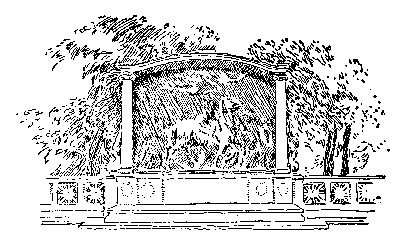 The Shaw Memorial I SHALL write of
Boston. I
shall write of the Boston of to-day; of what Boston has retained, and
what it
has become and what it has builded; and I shall write, to use the
quaint old
Shakespearean phrase, of the memorials and the works of art that do
adorn the
city. I shall write of the Boston to which thousands of Americans
annually
pilgrimage. And if, in writing of the Boston of to-day, there is
mention of the
past, it will be because in certain aspects, in certain phases, the
past and
the present are inextricably blended. Boston is dear to the hearts of
Americans. A city of interest,
this: a
city with much of charm, with much of beauty, with much of dignity. A
city of
idols as well as of ideals, and with some of the idols clay. For,
indeed, it is
a very human city, with pleasantly piquant peculiarities. On the whole,
in its
development, a comfortable city. A city of traditions that are fine and
traditions that are not so fine. A city of beliefs and at the same time
of
prejudices. A city rich in associations, rich in its memories of great
men and
great deeds, rich in its possession of places connected with those men
and
deeds. No other American city so richly and delightfully summons up
remembrance
of things past. I shall write of the
people
as well as of their city, and of their character and peculiarities and
ways.
Boston, with its prosperous present and its fine, free relish of a
history that
is like romance, is a likable city, a pleasing city, a city to win the
heart. And it still has the
aspect
of an American city. Hosts of foreigners have come in, but something in
the
spirit of the place tends finely to assimilation. Some portions of the
city are
altogether foreign, but on the whole the American atmosphere has
persisted.
There is constantly the impression that Americans are still the
dominant and
permeative force, and one comes to realize that by their influence, and
by a
splendid system of day schools and night schools, they are steadily
making
Americans of foreigners and even more so of the children of foreigners.
The
early Bostonians, by means of the forces of a thoughtful civilization,
and
constantly by earnest work and profound sacrifices, expended their
energies in
fitting their country for the citizens of the future. The Bostonians of
to-day
find it necessary to fit those citizens for our country! Boston is a mature
city, a
mellow city, a city of experience and experiences, a city of amenities,
a city
of age. Never was there a greater fallacy than the still-continuing one
that
ours is a new country! It is generations since this was true. When one
remembers that the Pilgrims came three centuries ago, and that the
Bostonian
settlers closely followed them, it is strange that there should still
be an
impression that this means youth. Clearly, undoubtedly, the city of
Boston is
old. If one should say that it is not old because it is younger than
London,
then neither is London old because it is younger than Rome. Age is
necessarily
a relative term, and three centuries of vivid, earnest, eager, glowing
life
give age to Boston. Yet it is not merely
because
of its age that Boston holds one. A city, like a building or like a
person,
must have much more than mere age to arouse interest. A city must have
charm or
beauty or grace, or brave associations with a long-past time; and
Boston, with
the soft twilight into which its more distant history vaguely merges
and with
its possessions of beauty and delightfulness and dignity, assuredly
possesses
these requisites. History and buildings, great achievements,
picturesque events
– Boston may point to them all. But I shall not
attempt to
tell everything, or even every important thing, in Boston's present or
Boston's
past. He who writes of Boston must, from necessities of time and space,
leave
much untold and undescribed; but in selecting what seem the essential
and most
notable features one ought, at least, to present the piquant city in a
fair and
rounded way. And Boston ought not to be considered in a narrow geographical sense. To write properly of Boston is to write also of the neighboring towns that have come to be associated with her in common acceptance and common thought; the places over which the mantle of Boston has been flung and which stand hand in hand with her in the light of tradition and history.
|